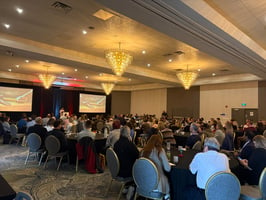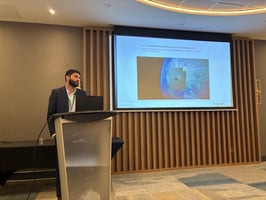
Qwhery was pleased to participate in the BeSpatial 2026 BeInspired Conference in Burlington, where...

Preparing for Next Generation 9-1-1 means more than meeting technical requirements. It means building sustainable processes that support accurate, reliable address data every day.
As municipalities prepare for Next Generation 9-1-1 (NG9-1-1), address management is becoming an increasingly important part of operational readiness.
While technical standards and data requirements provide a foundation, successful implementation also depends on how well they align with existing workflows, staff responsibilities, and ongoing data maintenance.
At Qwhery, our conversations with municipalities continue to highlight an important principle: NG9-1-1 readiness isn't necessarily about replacing what already works. It's about strengthening existing processes and making them ready for evolving requirements.
Building on Existing Workflows
Many municipalities have spent years developing and refining their address management processes. Staff understand their responsibilities, established workflows support daily operations, and organizations have confidence in how changes are reviewed and approved.
Naturally, introducing new NG9-1-1 requirements can raise concerns about disrupting these established practices.
But preparing for NG9-1-1 doesn't necessarily mean starting over.
A practical approach begins by understanding how existing workflows operate, identifying where they already support NG9-1-1 requirements, and determining where additional validation or governance may be needed.
The goal is to introduce meaningful improvements with as little disruption as possible.
Effective modernization builds on what's already working while preparing organizations for what's next.
Making Standards Work in Practice
NG9-1-1 standards represent years of industry collaboration and experience. They provide important guidance for data structure, quality, and consistency.
However, understanding the documentation is only the first step.
The real implementation effort begins when those requirements must be translated into practical validation rules, databases, business processes, and everyday editing workflows.
This requires organizations to consider how requirements will be interpreted, applied, and maintained by the people responsible for managing address data.
A requirement that looks straightforward in documentation may involve multiple operational decisions when applied to existing systems and processes.
Successful implementation isn't just about meeting standards. It's about making those standards practical and sustainable in everyday operations.
Making Data Quality an Ongoing Priority
Accurate and reliable address data is essential to NG9-1-1 readiness.
Yet many organizations dedicate months to maintaining their address datasets, only to discover issues when preparing for submission.
At that point, deadlines may be approaching, resources may be limited, and corrections can become increasingly urgent.
A more sustainable approach is to integrate validation into regular data maintenance rather than treating it as a final step before submission.
By identifying inconsistencies earlier and addressing them as part of everyday workflows, municipalities can reduce last-minute corrections and build greater confidence in their data.
The objective extends beyond passing a validation check.
It's about maintaining confidence in address data throughout the year—not just on submission day.
A More Sustainable Approach to NG9-1-1 Readiness
Existing workflows, standards implementation, and data quality are closely connected.
Well-established processes provide operational continuity. Practical implementation makes standards manageable. Ongoing validation helps maintain the reliability of the information those processes depend on.
Together, they create a stronger foundation for long-term NG9-1-1 readiness.
Rather than viewing readiness as a one-time compliance exercise, municipalities can approach it as an ongoing effort to strengthen their address management practices while supporting the people and systems already in place.
At Qwhery, we believe effective NG9-1-1 address management should respect existing investments, support everyday operations, and help organizations adapt to evolving requirements.